
Professional email: your domain name and best practices
Why an address on your own domain, how it works, and the best practices (SPF, DKIM, DMARC, two-factor authentication) for a small business.
Published on April 16, 2026
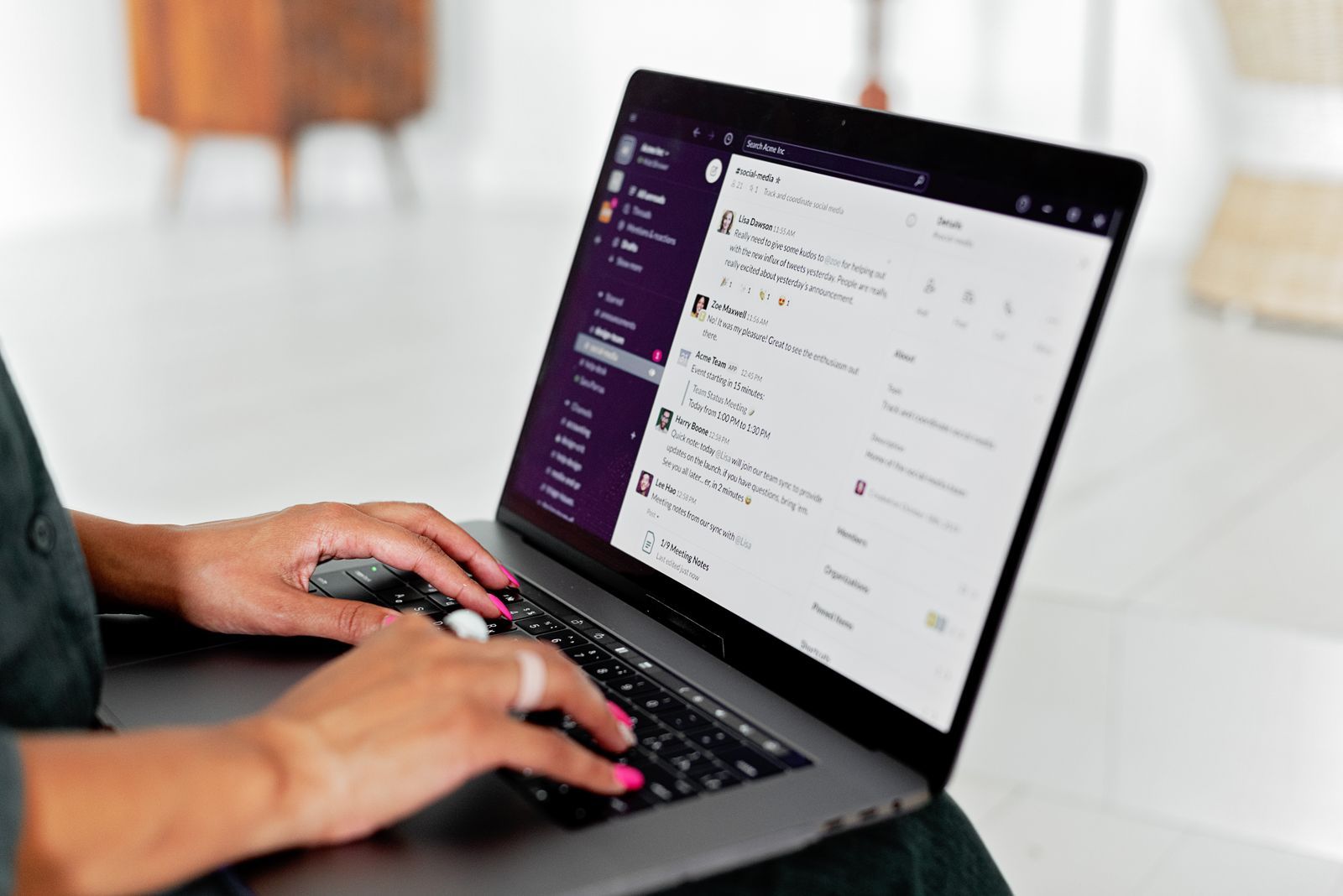
For a small business, email is often the first day-to-day digital tool. Quotes, invoices, client exchanges and access to most other services all pass through it. Yet many small businesses still start out with a free, unprofessional-looking address.
This article explains why an address on your own domain makes a real difference, how it works in practice, and which security best practices to put in place to avoid spam, spoofing and account takeover.
Why an address on your own domain rather than a free address?
A free address is fine to get started, but it sends a quiet signal to the people you write to. An address on your own domain, such as contact@yourcompany.com, changes that perception and gives you real control.
Credibility comes first. An address on your own domain reassures a prospect or a partner: it shows an established business, consistent with your website and your materials. A consumer address, on the other hand, can cast doubt on how seriously you are taken, and may even be mistaken for a scam attempt.
Control matters just as much. With your own domain, you create, suspend or recover your team’s addresses without depending on a personal account. The day someone leaves the company, you keep a grip on their messages and their professional contacts.
Deliverability, finally, is better when the domain is correctly configured. An address on your own domain, paired with the right authentication settings, is more likely to land in the inbox rather than the spam folder.
How does a professional mailbox work?
A professional mailbox rests on two distinct elements that are worth telling apart in order to make the right choices.
The domain name is your company’s address on the internet, for example yourcompany.com. You buy it from a registrar, generally for a few euros a year. This domain serves both your website and your email addresses.
The email host handles sending, receiving and storing your emails. It is what hosts your mailboxes. Productivity suites such as Microsoft 365 and Google Workspace include this function, alongside their work tools. Our comparison Microsoft 365 or Google Workspace for a small business helps you choose based on your usage.
The link between the two is made through technical records in your domain’s configuration (the DNS). They state which host receives your emails and authorises sending. These settings are made once, at the start, and then rarely change.
What are SPF, DKIM and DMARC, and why configure them?
These three technical acronyms play a key role in the security and deliverability of your emails. Put simply, they serve to prove that your messages really come from you.
SPF states which servers may send emails on behalf of your domain. When a message arrives, the recipient checks that the sending server is on this authorised list. It is a first barrier against fraudulent senders who would pose as you.
DKIM adds an electronic signature to each message. This signature proves that the content was not altered along the way and that it really comes from your domain. It is the equivalent of a seal that guarantees the authenticity of the send.
DMARC rounds out the set by telling recipients what to do if a message fails the SPF or DKIM checks: ignore it, move it to spam or reject it. It also lets you receive reports on spoofing attempts.
Configured together, these three settings sharply reduce the spam received in your name and make it harder to spoof your address. Most email hosts provide the values to enter. If this step feels technical, it is exactly the kind of task our expert pool can support you with.
How to protect access to your mailbox day to day?
Once the mailbox is in place, protecting it becomes a concern in its own right. It concentrates sensitive information and often acts as a gateway to your other services.
Two-factor authentication is the priority measure. It adds a second proof at login, on top of the password: a temporary code or an approval on your phone. Even if your password is stolen, access stays blocked. Turn it on for every professional mailbox. Our first Microsoft 365 settings set out the steps to follow.
Unique, strong passwords remain essential. Because email receives the reset links for your other accounts, its compromise can open a cascade of access. A long password, specific to this service and stored in a manager, limits that risk.
Separating uses also helps. It is better to avoid using the professional address for personal sign-ups. This reduces the exposure surface and makes management easier when a team member leaves.
How to stay alert to phishing?
Even when well configured, a mailbox stays exposed to phishing attempts: those messages that imitate a supplier, a bank or a colleague to push you to click or to disclose your credentials.
Always check the real sender, not just the displayed name. A slightly altered address, an unusual domain or an urgent demand are warning signals. If in doubt about a payment or a change of bank details, confirm through another channel, by phone for example.
Be wary of unsolicited attachments and links. A link can lead to a fake login page designed to harvest your credentials. Hover over it to check its destination before clicking, and never enter your passwords on a page reached from a suspicious email.
Train your team regularly. Many incidents start with a single click. A few reminders are enough to embed the right reflexes. Our article on recognising a phishing message gathers the signals to watch for and the right response.
A well-designed professional mailbox rests on three pillars: an address on your own domain, careful authentication settings (SPF, DKIM, DMARC) and simple but consistent security habits. Together they strengthen your credibility, your deliverability and your day-to-day protection.
Our iokoo experts support small businesses in configuring and securing their email, from the domain name to the authentication settings. Create an account to get started or ask your questions.
Frequently asked questions
Why use an address on my own domain rather than a free address?
An address such as contact@yourcompany.com inspires trust, strengthens your image and belongs to you. You keep control of the accounts even when someone leaves the company. A free address, by contrast, depends on a consumer service and stays tied to a personal account that is hard to take over in the event of a departure or a dispute.
What are SPF, DKIM and DMARC for in a small business?
These three settings authenticate your emails. SPF states which servers may send on your behalf, DKIM adds a signature proving the message was not altered, and DMARC tells recipients what to do when a check fails. Together they reduce spam, improve deliverability and make it harder to spoof your domain name.
Is two-factor authentication really useful on a professional mailbox?
Yes. Email is often the key to your other services, because it receives password reset links. Turning on two-factor authentication adds a second proof at login (a code or a phone approval). Even if a password leaks, access stays blocked. It is one of the most effective and simplest measures to put in place.